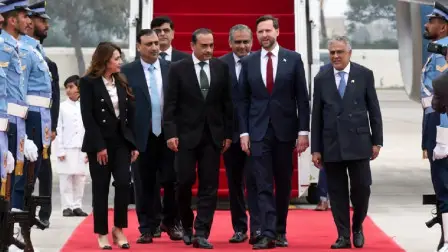
Peace talks between the United States and Iran are currently being held in Islamabad, the capital of Pakistan. (Image X @ImtiazMadmood)
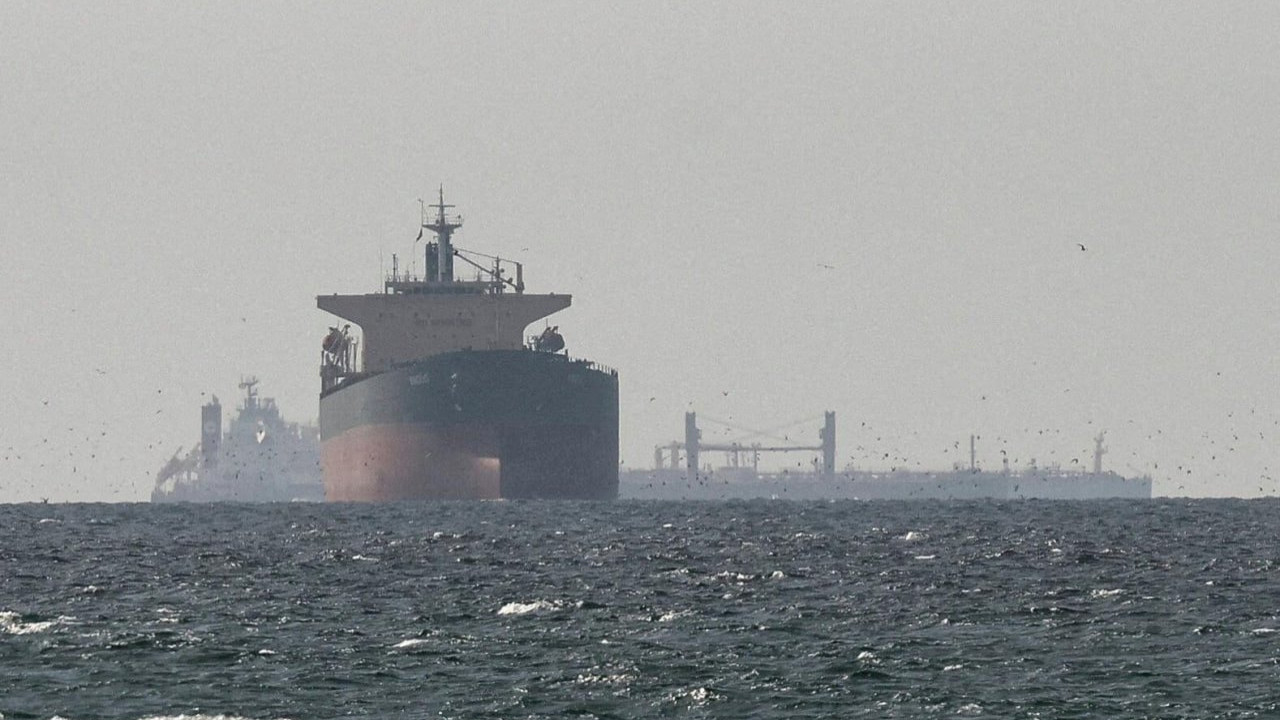
New Delhi: Peace talks between the United States and Iran are currently being held in Islamabad, the capital of Pakistan. Just prior to this, new revelations have emerged regarding the Strait of Hormuz and Iran. These revelations could heighten concerns among nations worldwide—including India—whose oil tankers and cargo vessels traverse this maritime route. According reports, Iran’s inability to fully reopen the Strait of Hormuz is not a diplomatic maneuver, but rather a serious technical predicament.
US officials told the media that following the outbreak of hostilities last month, Iran hastily deployed naval mines within the Strait of Hormuz using small boats. While laying these mines, Iran failed to maintain precise records of their locations. Many of these mines were deployed using technology that allows them to drift and shift position with the ocean currents. This implies that a passage deemed safe yesterday could prove lethal today. Furthermore, Iran lacks the modern technology and specialized vessels required to locate and safely neutralize these mines.
During the ongoing high-level talks in Islamabad, Iranian Deputy Foreign Minister Abbas Araqchi and U.S. Vice President J.D. Vance are engaged in direct negotiations. Earlier this week, Araqchi stated that the waterway would be reopened subject to certain "technical limitations." It has now become evident that these "technical limitations" are, in fact, the very naval mines whose precise locations remain unknown even to Iran itself.
President Trump has stipulated that negotiations will proceed only once the free movement of vessels through the strait is fully restored. However, even if it wished to do so, Iran is currently in no position to immediately fulfill this demand.
Iran has not completely closed the entire waterway; instead, it has kept open an extremely narrow shipping lane. The Revolutionary Guards (IRGC) have published charts delineating these safe routes; however, these lanes are exceedingly narrow and are hemmed in by a multitude of unforeseen hazards. Moreover, Iran is currently levying tolls on vessels traversing this constricted passage. This fear of minefields provides Iran with a bargaining chip at the negotiating table, as global energy prices are bound to remain elevated until the channels are cleared.
Twenty percent of the world's total oil and LNG trade passes through this very route. This news is a cause for concern for India, as following the ceasefire on April 8, there was an expectation that supplies from Qatar and other nations would be restored. However, due to the presence of minefields, shipping and insurance companies are likely to hesitate in dispatching tankers.
Experts believe that even if the United States and its allies deploy their mine-sweeping technology, it could still take weeks or months to render the entire waterway completely safe.



Copyright © 2026 Top Indian News